 4 months ago
Introduction
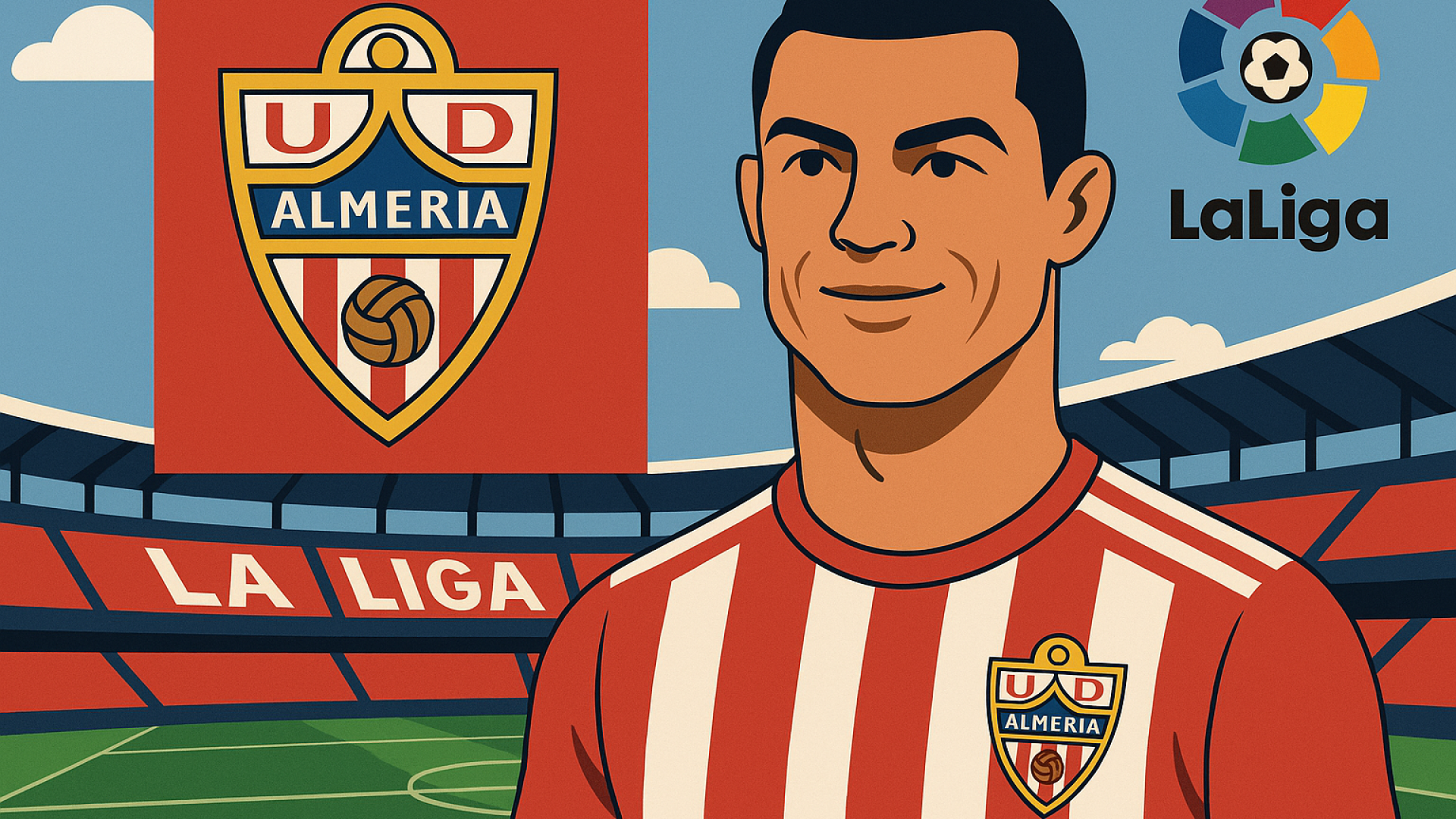
In the world of football, few names resonate as powerfully as Cristiano Ronaldo. Beyond his extraordinary achievements on the pitch, Ronaldo’s recent venture into club ownership has captured widespread attention and sparked considerable excitement among fans and industry experts alike. His investment in Spanish club Almeria has been described by La Liga’s president as a 'significant boost' for both the club and the league. This article explores the context, impact, and future implications of Ronaldo’s involvement with Almeria, offering an in-depth analysis of what this means for Spanish football and the broader sports industry.
Context: Ronaldo’s New Role in Football Ownership
Cristiano Ronaldo, widely regarded as one of the greatest footballers of all time, has transitioned from being solely a player to becoming an influential figure off the pitch. In early 2026, Ronaldo acquired a substantial stake in Almeria, a club competing in La Liga, Spain’s top football division. This move marks a significant milestone in the growing trend of elite athletes investing in sports franchises, leveraging their brand, expertise, and global influence to impact club management and growth strategies.
Almeria, historically a modest club in La Liga, has often struggled to compete financially and athletically with Spain’s giants like Real Madrid and Barcelona. The club has faced challenges in attracting top talent and securing lucrative sponsorships, which has limited its ability to consistently challenge for higher league positions. Ronaldo’s involvement brings not only much-needed capital but also global attention and credibility, potentially altering the club’s trajectory in profound ways. La Liga’s president has publicly acknowledged the positive impact of this investment, emphasizing the 'significant boost' it provides in terms of visibility, sponsorship, and competitive ambition.
The Core Impact: Transforming Almeria and La Liga
Financial Injection and Sponsorship Opportunities
One of the most immediate effects of Ronaldo’s investment has been a substantial financial injection into Almeria. This capital infusion enables the club to pursue strategic player acquisitions, improve training facilities, and enhance youth development programs. The increased financial muscle allows Almeria to compete more effectively in the transfer market, attracting promising talent and experienced professionals who can elevate the team’s performance on the pitch.
More importantly, Ronaldo’s global brand attracts lucrative sponsorship deals and partnerships that were previously out of reach for the club. International brands eager to associate with Ronaldo’s image are now considering collaborations with Almeria, opening new revenue streams and marketing opportunities. This influx of sponsorship not only benefits Almeria but also contributes to the overall financial health and marketability of La Liga.
Raising the Club’s Profile
Since Ronaldo’s involvement, Almeria’s profile has surged internationally. Media coverage has intensified, with sports networks and digital platforms dedicating more airtime and content to the club’s activities. Matches involving Almeria are drawing larger audiences both in stadiums and through broadcast channels, increasing ticket sales and viewership ratings. This heightened visibility benefits La Liga as a whole, as it diversifies the league’s appeal beyond the traditional powerhouses like Real Madrid and Barcelona, helping to balance the competitive landscape.
The increased attention also helps Almeria build a broader fan base, both domestically and internationally. Fans from different parts of the world are now tuning in to follow the club’s progress, inspired by Ronaldo’s association. This global fan engagement is crucial for the club’s long-term growth and commercial success.
Inspiring Competitive Ambition
With Ronaldo’s experience, leadership, and winning mentality, Almeria is adopting a more ambitious sporting philosophy. The club’s management is focused on building a competitive squad capable of challenging for European competition spots, such as qualification for the UEFA Europa League or even the Champions League. This shift not only energizes the team but also raises the competitive standard within La Liga, encouraging other clubs to innovate, invest, and improve their own operations.
Ronaldo’s presence also serves as a motivational factor for players and staff, fostering a culture of excellence and professionalism. His insights into high-performance training, tactical awareness, and mental resilience are invaluable assets that can be integrated into the club’s development programs. This holistic approach to growth positions Almeria as a rising force within Spanish football.
Broader Implications for Football and Sports Ownership
Ronaldo’s move into club ownership reflects a broader trend of athletes transitioning into influential roles beyond their playing careers. This phenomenon has several important implications for the future of football and sports in general:
- Empowerment of Athletes: Former and current players are gaining more control over the business side of sports, influencing decisions that affect the game’s development, governance, and commercial strategies. This shift empowers athletes to shape the industry in ways that align with their values and vision.
- New Investment Models: Athlete-led investments often combine financial capital with unique insights into team dynamics, fan engagement, and player welfare. This combination creates innovative growth strategies that traditional investors might overlook, fostering more sustainable and fan-centric club models.
- Globalization of Clubs: High-profile owners like Ronaldo attract international attention, expanding clubs’ fan bases and commercial opportunities worldwide. This globalization enhances the sport’s reach, bringing diverse audiences closer to the game and increasing revenue potential through merchandise sales, broadcasting rights, and digital content.
Challenges and Considerations
Despite the optimism surrounding Ronaldo’s investment, several challenges and considerations must be addressed to ensure long-term success. Balancing commercial interests with sporting integrity is crucial to maintain fan trust and preserve the club’s identity. Over-commercialization or prioritizing short-term financial gains over sporting values could alienate loyal supporters.
Additionally, the pressure on Almeria to deliver immediate results could lead to risky decisions, such as overspending on transfers or neglecting youth development. The club’s management must navigate these complexities carefully, balancing ambition with prudence to avoid financial instability or reputational damage.
Moreover, integrating Ronaldo’s vision with existing club culture and operations requires effective communication and collaboration among stakeholders. Aligning goals and managing expectations will be key to fostering a cohesive environment conducive to sustainable growth.
Potential Solutions and Strategic Approaches
To maximize the benefits of Ronaldo’s involvement, Almeria and La Liga can consider several strategic approaches:
- Long-Term Planning: Focus on sustainable development rather than short-term success by investing in youth academies, infrastructure, and community programs. Building a strong foundation ensures consistent performance and financial stability over time.
- Community Engagement: Strengthen ties with local fans to preserve the club’s identity amid rapid changes. Initiatives such as fan forums, outreach programs, and inclusive events can foster loyalty and a sense of belonging.
- Transparent Governance: Maintain clear communication about investment goals, club management, and decision-making processes to build trust among stakeholders, including fans, players, and sponsors.
- Leveraging Technology: Use data analytics, digital platforms, and innovative training methods to enhance player performance and fan experience. Embracing technology can provide competitive advantages on and off the pitch.
Conclusion
Cristiano Ronaldo’s investment in Almeria represents a transformative moment for the club and La Liga. It exemplifies how iconic athletes can extend their influence beyond the pitch to shape the future of football. While challenges exist, the potential for growth, innovation, and increased competitiveness is substantial. As this partnership evolves, it will be closely watched by fans, investors, and sports professionals worldwide, offering valuable lessons on the intersection of sports, business, and celebrity influence.
Ultimately, the 'Cristiano Ronaldo effect' could redefine how football clubs operate and compete in the modern era, inspiring a new generation of athlete-owners and transforming the global sports landscape. This development underscores the evolving nature of football, where the boundaries between player, owner, and influencer continue to blur, creating exciting opportunities for the sport’s future.